Travel Health and Safety
International travellers should always be extra concerned about their health and safety, because every region and country around the world has its own risks, customs and level of health care. Here is essential information on travel health risks and preventive measures that will keep you and your loved ones safe during your travels.
Travel Health Notices
The Public Health Agency of Canada releases Travel Health Notices outlining potential health risks to Canadian travellers and recommends measures that can be taken to help reduce these risks. Notices remain in effect until removed.
Travel Health Kit
A basic travel health kit is important no matter where you travel. First aid supplies and medications may not always be readily available in other countries or may be different from those available in Canada.
Receiving Medical Care in Other Countries
Receiving medical care abroad can be complicated - it is important to remember that medical practices, health standards, and infection control measures in other countries may differ from those in Canada and could result in lower-quality medical care. Make sure to read up on all the information necessary to travel safe and sound.
Find a Travel Health Clinic
Travel health services are available in most communities or through your family doctor. Find the one nearest to you with this list of travel health clinics throughout Canada. Contact your health care provider preferably six weeks before you travel.
Diseases
Travelling abroad can put you at risk of contracting a disease that may not be common in Canada. While some diseases can be prevented by vaccination, others require extra precautions on your part to protect your health. Here is a list of fact sheets for diseases that may pose a risk to international travellers.
Transportation Safety
You can face transportation safety issues while abroad, so make sure you are vigilant when you travel using domestic transport in a foreign country. Also make sure you know what to do in case of an accident.
Vaccination
When travelling, you may be at risk for a number of illnesses that can be prevented by vaccination. Some countries may also require you to provide proof of certain vaccinations to cross their borders. Make sure you've read up on the risk factors and vaccination requirements for your destination.
Insect Bite Prevention
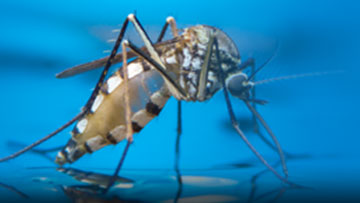
Many travel-related diseases are transmitted by infected insects such as mosquitoes, ticks, fleas, or flies. Make sure you are taking all necessary measures to minimize your chance of being bitten.
Eat and drink safely
Food-borne and water-borne illnesses are sometimes called food poisoning, the stomach flu or travellers' diarrhea. They are the most common cause of illness in travellers, generally caused by eating or drinking food or beverages contaminated by bacteria, parasites, or viruses.
Prescription Medication
Make sure your prescription medication won't cause you any problems while you're abroad or when you return.
Bed Bugs
Bed bugs are small insects that feed on the blood of people and animals while they sleep. These bugs are not considered to be a major health risk to travellers.
Oral Rehydration Solutions
Travellers' diarrhea is a common illness in travellers. Oral rehydration solutions are used to treat dehydration caused by diarrhea.
Tips for Healthy Travel with Children
Children have different travel health needs than adults. Use these tips to protect your children and help them have a safe and enjoyable trip abroad.
Travelling while Pregnant
Many women travel during pregnancy, whether for business or pleasure. Make sure to read up on the information necessary to minimize your risks and stay healthy while travelling during your pregnancy.
Older Travellers
Older travellers are an increasingly large proportion of Canadian travellers, but they may have medical conditions that are important to consider before and during travel.
Travelling with special needs
Travelling with disabilities or special needs is not always easy, but this information will help make your trip as easy and safe as possible.
Travelling with a service animal
Your service animal is there to help you get through your day, but it may not be accepted everywhere. Make sure you have all the information you need to make your trip with your service animal as trouble-free as possible.
Homosexual, Bisexual and Transgender Travel
Depending on your destination, cultural tolerances vary. Make sure that you are aware of the cultural sensitivities of your destination to avoid a bad experience during your trip.
Coping with Culture Shock
Many people who travel or live overseas experience what is commonly referred to as "culture shock." Learn how to recognize and mitigate the effects of culture shock with our facts and advice.
Alcohol, Drugs and Travel
Numerous Canadians are imprisoned abroad every year for drug-related offenses. Make sure you're not one of them.
Natural Disasters and Civil Emergencies
Natural disasters may affect safety, services, and transportation. Make sure you know what to do.
Overseas Fraud: An Increasing Threat to the Safety of Canadians
Fraud attempts carried out by companies or individuals in foreign countries, especially in Africa, many Canadians are still victimized and cheated out of merchandise, services and money.
Security Situation in the Middle East and North Africa
Civil unrest and demonstrations have occurred recently in many countries in the Middle East and North Africa. Although the security situation is improving in some countries, there is always a risk of deteriorating conditions and of visitors finding themselves in the wrong place at the wrong time.
Spring Break
Planning to go south for Spring Break? Here are some tips to make your trip more enjoyable.
Sun and Heat Safety Tips for Travellers
Strong sunlight and extreme heat can be dangerous to your health, especially if you are on certain medications. Here are some sun- and heat-related issues to think about before you go south.
- Date modified: